

e-commerce-market

How to Start an eCommerce Business in 2025

How to Start an eCommerce Business in 2025

E-commerce Empire? How to Launch Your Online Business in 2025

Dreaming of being your own boss and building a business from the ground up? The world of e-commerce might be your golden ticket! Imagine selling products you’re passionate about, reaching customers worldwide, and being in charge of your own destiny. Sound pretty epic, right?

But before you grab your virtual shopping cart and race out the door, let’s take a quick pit stop to understand what e-commerce is all about. Think of it as your business compass, guiding you towards building a successful online store.


E-commerce Explained in Plain English

E-commerce, short for electronic commerce, is basically buying and selling stuff online. It’s like having a virtual store open 24/7, accessible to customers all over the globe. From trendy fashion finds to handcrafted pottery (or even pet rock collections – hey, no judgment!), almost anything can be sold online.


Why Should You Start an E-commerce Business?

Here’s the exciting part: there are a ton of reasons why e-commerce might be the perfect path for you! Let’s peek at a few:

Be Your Own Boss: Tired of the 9-to-5 grind? E-commerce gives you the freedom and flexibility to be your own boss. Set your own hours, work from anywhere with an internet connection, and be the captain of your entrepreneurial ship.

Global Reach: Forget geographical limitations! With an e-commerce store, you can sell your products to customers across the country, or even the entire world. Think of it as having a storefront on every corner of the planet (virtually, of course!).

Low Start-up Costs: Compared to traditional brick-and-mortar stores, e-commerce businesses typically require less upfront investment. This means you can get started with a smaller budget and scale up as your business grows.

Endless Possibilities: The beauty of e-commerce is its flexibility. You can sell anything you can imagine, from physical products to digital downloads or even subscription boxes. The only limit is your creativity!

So, are you ready to turn your entrepreneurial dreams into a thriving online business? Buckle up, because in the next section, we’ll dive into market research and planning, the foundation of any successful e-commerce journey!
A graphic of a man holding a magnifying glass up to an e-commerce market


Market Mavens: Researching Your Way to E-commerce Success

Before diving headfirst into the world of product creation and website design, it’s crucial to do your market research. Think of it as equipping yourself with a treasure map – it helps you identify the perfect niche, understand your competition, and ultimately, set your e-commerce business on the path to success.


Finding Your Niche: The Golden Ticket to Standing Out

The e-commerce landscape is vast and ever-growing. To truly shine, you need to find your niche – a specific market segment with a unique set of customer needs and interests. Here are some tips to help you unearth your golden niche:

Identify your passions: What are you truly enthusiastic about? Chances are, there’s a community of like-minded people out there waiting to discover your products.

Solve a problem: Are there any common problems people face in your area of interest? Your e-commerce business could offer innovative solutions and become a go-to resource.

Analyse trends: What’s hot in the market right now? Keep your finger on the pulse of current trends, but don’t be afraid to carve your own unique path within a growing niche.


Competition Check: Knowing Your Fellow E-commerce Adventurers

Once you’ve identified your niche, it’s time to size up the competition. Think of them as fellow explorers on your e-commerce journey – learning from their strengths and weaknesses can be incredibly valuable. Here’s how to analyse your competitors:

Who are the major players? Identify the established businesses in your niche and understand their offerings.

What are their strengths and weaknesses? Analyse their products, pricing strategies, marketing tactics, and customer service. Look for gaps you can fill with your unique approach.

What makes you stand out? Identify your unique selling proposition (USP) – what sets you apart from the competition and makes your e-commerce business truly special?


Market Research: Unearthing Customer Gems

Finally, conducting thorough market research helps you understand your target audience – the amazing people who will be buying your products! Think of them as the treasure you’re searching for. Here are some ways to learn more about your ideal customers:

Market research tools: Utilize online tools and surveys to gather data on customer demographics, interests, and buying habits.

Social media listening: Pay attention to online conversations happening in your niche. What are people talking about? What problems are they facing?

Competitor analysis: Learn from the way your competitors interact with their customers. What kind of language do they use? What questions do they answer most frequently?

By combining niche identification, competitor analysis, and market research, you’ll gain invaluable insights that will guide your e-commerce business strategy. In the next section, we’ll explore the art of crafting a solid business plan – the roadmap to your online success!

A man sat on a wooden floor looking at images on a laptop


Charting Your Course: Crafting a Winning E-commerce Business Plan

Congratulations, market maven! You’ve identified your niche, analysed the competition, and unearthed valuable customer insights. Now it’s time to translate all that knowledge into a concrete plan – your e-commerce business plan. Think of it as the captain’s log for your entrepreneurial voyage, outlining your course, goals, and strategies for success.


Defining Your Business Model: The Foundation of Your E-commerce Empire

The first step is defining your business model – the blueprint for how your e-commerce business will generate revenue. Here are some popular models to consider:

Dropshipping: You partner with a supplier who stores and ships products directly to your customers. This requires less upfront inventory investment but may offer lower profit margins.

Wholesaling: You purchase products in bulk from a manufacturer or wholesaler and then sell them at a markup through your online store. This requires a larger upfront investment but can offer higher profit margins.

Handmade or Manufactured Products: You create or manufacture your own unique products and sell them directly to customers. This requires significant upfront investment and product development but allows for complete control over branding and quality.


Setting Goals and Objectives: Setting Your Sights on E-commerce Success

Once you’ve chosen your business model, it’s crucial to set clear goals and objectives for your e-commerce business. These goals should be specific, measurable, achievable, relevant, and time-bound (SMART). Here are some examples:

Increase website traffic by 20% within the next 3 months.

Achieve a conversion rate of 2% within the next 6 months.

Generate £10,000 in revenue within the first year.


Budgeting and Financial Planning: Keeping Your E-commerce Business Afloat

No e-commerce adventure is complete without a financial plan. This involves creating a budget that outlines your projected income and expenses. Here are some key areas to consider:

Website development and hosting costs

Product sourcing and inventory management

Marketing and advertising expenses

Payment processing fees

Shipping and fulfillment costs

By creating a realistic budget and financial plan, you’ll ensure your e-commerce business has the resources it needs to navigate the exciting, yet sometimes unpredictable, waters of the online marketplace.

In the next section, we’ll delve into the legal and regulatory considerations you need to address before setting sail on your e-commerce journey!

A judges gavel resting on a computer keyboard


Now that you’ve brainstormed a brilliant business plan, it’s time to ensure your e-commerce journey operates within the legal framework. Think of it as building a solid foundation for your online store, making sure everything is in order before you open your virtual doors to customers.

Here are some key legal and regulatory considerations to navigate:

Registering Your Business: Depending on your location and business structure (sole proprietorship, LLC, etc.), you’ll need to register your e-commerce business with the appropriate government agencies. This is typically a straightforward process, but consulting with an accountant or lawyer familiar with e-commerce regulations is always recommended.

Understanding E-commerce Laws and Regulations: The world of e-commerce is governed by various laws, including consumer protection regulations, data privacy laws, and tax regulations. Familiarize yourself with the specific laws that apply to your business model and location. Many government websites offer helpful resources and guides for e-commerce businesses.

Obtaining Necessary Permits and Licenses: Depending on your niche and product offerings, you may require specific permits or licenses to operate legally. Research the requirements for your location and industry to avoid any roadblocks down the line.

By tackling these legalities upfront, you’ll ensure your e-commerce business is built on a strong foundation. In the next section, we’ll dive into the exciting world of choosing the right e-commerce platform – the digital home for your online store!

A woman on the phone while packing up orders for her e-commerce business


Choosing Your E-commerce Platform: Building the Perfect Home for Your Online Store

Selecting the right e-commerce platform is like choosing the foundation for your dream home. You want it to be visually appealing, structurally sound, and adaptable to your needs as your business grows. With a plethora of platforms available, navigating this decision can feel overwhelming. Fear not, aspiring e-commerce entrepreneur, for we’re here to equip you with the knowledge to make an informed choice!


Shopify: Renowned for its user-friendly interface and vast app store, Shopify caters to both beginners and established businesses. It boasts a drag-and-drop store builder, built-in marketing tools, and seamless integration with various payment gateways. However, its pricing structure can become expensive for high-volume stores.

WooCommerce: This free, open-source plugin transforms your existing WordPress website into a fully functional e-commerce store. WooCommerce offers a high degree of customization, allowing you to tailor your online store to your exact vision. The downside? It requires some technical knowledge for setup and maintenance.

Magento: A powerful and scalable platform ideal for complex online stores with a large product catalog. Magento offers advanced features for inventory management, SEO optimization, and customization. However, its complexity necessitates significant development expertise and resources, making it a less suitable option for beginners.


Beyond the Big Three: Exploring Additional Options

While Shopify, WooCommerce, and Magento are industry leaders, a multitude of other platforms cater to specific needs and budgets. Here are a few to consider:

BigCommerce: Similar to Shopify in functionality and ease of use, BigCommerce offers built-in features for SEO and omnichannel selling, making it a strong contender for mid-sized businesses.

Wix E-commerce: If you prioritise a user-friendly website builder and have a smaller product catalogue, Wix E-commerce could be a good option. While it may not offer the same level of scalability as other platforms, it’s a cost-effective solution for businesses just starting out.

Squarespace Commerce: Another user-friendly platform, Squarespace Commerce offers beautiful templates and integrates seamlessly with other Squarespace products for a cohesive brand experience.


Choosing Your Perfect Match: Key Considerations

Beyond the platform itself, here are some crucial factors to weigh in your decision:

Features and Functionality: Does the platform offer the essential features you need to manage products, orders, shipping, and customer interactions? Make a list of your must-have features and compare them against each platform’s offerings.

Ease of Use: Consider your technical comfort level. While some platforms boast drag-and-drop interfaces, others require coding knowledge. Choose a platform that aligns with your technical expertise.

Scalability: Will the platform be able to grow with your business? Consider factors like product volume, customer base expansion, and future functionality needs.

Pricing: Understand the platform’s pricing structure, including monthly fees, transaction costs, and any additional charges for apps or integrations. Compare pricing across different platforms to find the most cost-effective option for your budget.

Security: Ensure the platform prioritizes data security and PCI compliance to safeguard customer information.

Customer Support: Reliable customer support is crucial for troubleshooting issues and getting assistance as needed. Evaluate the platform’s customer support options.


Making the Final Choice

Remember, there’s no one-size-fits-all solution. Take advantage of free trials or demos offered by many platforms to test-drive their features and get a feel for their interface. Don’t hesitate to research user reviews and compare pricing models before making your final decision.

The next section will delve into the exciting process of building your online store, where we’ll explore design, product addition, and crafting a user-friendly experience to convert visitors into loyal customers!
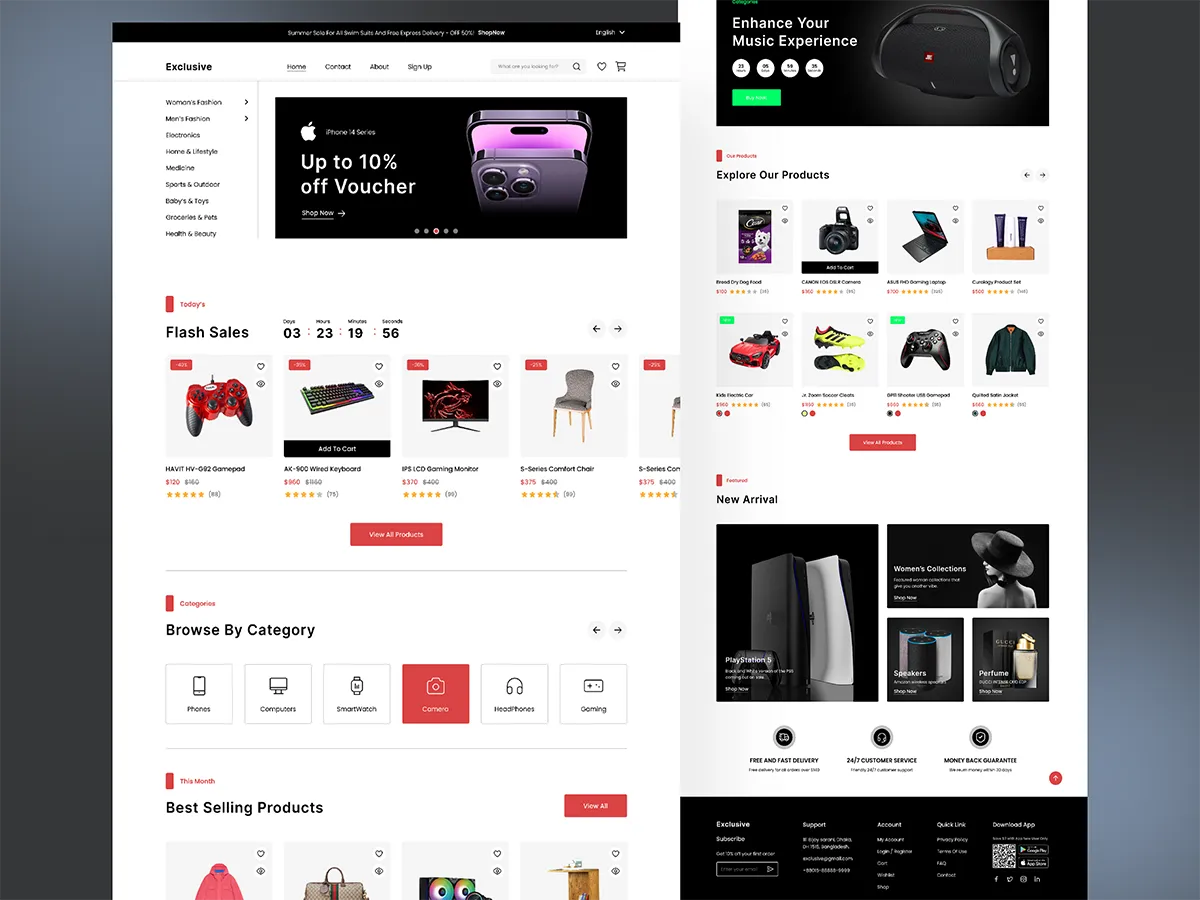
An ecommerce website design mockup


Building Your Online Store: A Customer-Centric Haven

Imagine walking into a beautifully designed store, where products are meticulously arranged, information is easy to find, and the checkout process feels like a breeze. That’s the experience you want to create for your online store visitors. Here’s how to achieve it, but with an extra focus on conversion optimisation and building trust


Design for User Experience (UX): Frictionless Navigation is Key

Think of your website’s design as a welcoming handshake to your customers. It should be visually appealing, of course, but also user-friendly and optimised for smooth navigation. Imagine guiding your visitors through your store – avoid clutter and overwhelming visuals. Use white space effectively to create a sense of balance and guide the user’s eye towards important elements, like product listings and clear calls to action (CTAs). Speaking of CTAs, these are your friendly prompts telling visitors what you want them to do – tell them in clear, concise language with contrasting colours that stand out. And finally, remember that a significant portion of online traffic comes from mobile devices. Ensure your website displays flawlessly and functions seamlessly across all devices, from desktops to tablets to smartphones.


Building Trust and Confidence: Creating a Secure and Reliable Online Environment

Before diving into product descriptions and checkout processes, let’s address a crucial element: building trust and confidence with your customers. In the digital world, where security concerns can sometimes linger, establishing yourself as a reliable and trustworthy business is paramount. Here are some key ways to achieve this:

Security Seals and Certifications: Display prominent security seals and logos from trusted organizations like VeriSign or McAfee to assure customers that your website is secure and protects their financial information.

Clear and Transparent Policies: Make your return policy, shipping information, and privacy policy readily accessible on your website. Customers appreciate transparency, and knowing their rights builds trust.

Positive Customer Reviews and Testimonials: Showcase positive customer reviews and testimonials throughout your website. Social proof is a powerful tool that can influence buying decisions.


Adding Products and Compelling Content: Showcase Value and Build Trust

High-quality product images are like inviting window displays in the online world. Don’t skimp on product photography – include high-resolution images that showcase your products from multiple angles. Think close-ups to highlight details and lifestyle shots to demonstrate how the product can be used in real-life scenarios. Let’s move beyond those basic descriptions, though. Craft engaging product descriptions that tell a story. Highlight the benefits of your product, address any potential customer concerns, and use persuasive language that focuses on the value proposition – how will this product improve the customer’s life?

Remember, content is king (and queen!) in the e-commerce world. Content marketing is a powerful tool for attracting customers and establishing your brand as an authority in your niche. Create informative blog posts, helpful guides, and engaging social media content that resonates with your target audience.

A woman paying for product on an e-commerce website


Setting Up Payment Gateways and Shipping: The Nuts and Bolts of Delivery

Now that you’ve built a beautiful and user-friendly online store, it’s time to ensure a smooth and efficient experience for your customers all the way to their doorstep. Here’s how to set up secure payment gateways and reliable shipping options.


Integrating Secure Payment Gateways

Choosing the Right Gateway: Payment gateways act as secure intermediaries between your store and your customers’ financial institutions. Popular options include PayPal, Stripe, and Authorize.net. Consider factors like transaction fees, supported payment methods, and ease of integration when making your choice.

Seamless Checkout Integration: Ensure a smooth checkout process where customers can easily enter their payment information without leaving your website. Most e-commerce platforms offer seamless integration with popular payment gateways.


Offering Multiple Shipping Methods

Catering to Customer Preferences: Provide a variety of shipping options to cater to different customer needs and budgets. Consider standard shipping, expedited shipping, and potentially even international shipping options depending on your product and target market.

Transparent Shipping Costs: Be upfront about shipping costs. Display estimated delivery times and shipping costs clearly at checkout to avoid any surprises for your customers.

Fulfilment Options: Decide on a fulfilment strategy. Will you handle packaging and shipping yourself, or outsource it to a fulfilment centre? Consider factors like order volume, storage space, and budget when making this decision.


Implementing Order Fulfilment Processes

Inventory Management: Maintain accurate inventory levels to avoid overselling and disappointing customers. Invest in a good inventory management system to track stock levels and avoid order fulfilment delays.

Packaging and Shipping: Ensure your products are packaged securely to prevent damage during transit. Consider using eco-friendly packaging materials whenever possible to appeal to environmentally conscious customers.

Order Tracking: Offer order tracking options so customers can easily monitor the status of their purchases. This transparency builds trust and reduces customer inquiries.

By establishing secure payment gateways, offering a variety of shipping options, and implementing efficient fulfilment processes, you’ll ensure a smooth and positive experience for your customers, which is crucial for building customer loyalty and repeat business.

In the next section, we’ll delve into the exciting world of marketing and promotion – the strategies to get your online store discovered and attract those eager customers!

A woman on a smartphone using e-commerce website while a discount offer is popping up


Marketing and Promotion: Spreading the Word About Your E-commerce Empire

You’ve built a beautiful online store, stocked it with amazing products, and established a seamless checkout process. But how will the world discover your e-commerce haven? Fear not, entrepreneur! This section dives into the exciting world of marketing and promotion, equipping you with strategies to get your online store noticed and attract those eager customers.


Developing a Marketing Strategy: Tailoring Your Approach for Success

Before diving headfirst into social media campaigns or crafting email newsletters, it’s crucial to develop a marketing strategy. Think of it as your roadmap, outlining your goals, target audience, and the channels you’ll use to reach them. Here are some key elements to consider:

Identifying Your Target Audience: Who are you trying to reach? Understanding your ideal customer’s demographics, interests, and online behaviour is crucial for crafting targeted marketing messages.

Setting SMART Marketing Goals: Define your marketing goals using the SMART framework – Specific, Measurable, Achievable, Relevant, and Time-bound. Do you want to increase website traffic by 20% in the next 3 months? Boost brand awareness through social media engagement? Set clear goals to track your progress and measure your marketing success.

Choosing the Right Marketing Channels: The online marketing landscape offers a vast array of channels. Consider social media marketing, search engine optimisation (SEO), content marketing, email marketing, and even paid advertising options, depending on your budget and target audience.


Utilizing Social Media and Content Marketing: Engaging Your Audience

Social media platforms are powerful tools for connecting with your target audience, building brand awareness, and driving traffic to your online store. Here are some ways to leverage social media effectively:

Create Engaging Content: Share visually appealing images, informative videos, and engaging posts that resonate with your target audience. Don’t just promote your products – provide valuable content, establish yourself as an authority in your niche, and foster a community around your brand.

Run Social Media Contests and Giveaways: Generate excitement and encourage engagement with contests and giveaways. Offer free products or discounts as prizes to incentivise participation and spread the word about your store.

Utilise Paid Advertising: Consider paid advertising options on social media platforms to reach a wider audience and target specific demographics or interests.

Content marketing is another powerful tool for attracting customers and establishing yourself as a thought leader in your niche. Here are some content marketing strategies you can implement:

Create a Blog: Publish informative and engaging blog posts that address your target audience’s needs and interests. Offer helpful tips, industry insights, and showcase your expertise through valuable content.

Develop White Papers and eBooks: Offer downloadable resources like white papers or eBooks in exchange for email addresses. This is a great way to capture leads and nurture potential customers.


Implementing SEO Tactics: Getting Found Organically

Search engine optimization (SEO) is the art of improving your website’s ranking in search engine results pages (SERPs). The higher your ranking, the more likely customers are to discover your online store. Here are some basic SEO tactics to get you started:

Keyword Research: Identify relevant keywords that your target audience is searching for and incorporate them naturally into your website content.

Optimise Product Descriptions and Page Titles: Include relevant keywords in your product descriptions and page titles to improve search engine visibility.

Build High-Quality Backlinks: Encourage other websites to link back to your content. Backlinks are like votes of confidence in the eyes of search engines and can significantly improve your website’s ranking.

By implementing a combination of social media marketing, content marketing, and SEO tactics, you’ll attract organic traffic to your online store and convert those visitors into paying customers. In the next section, we’ll explore the art of providing exceptional customer service – the key to building customer loyalty and fostering a thriving e-commerce business.
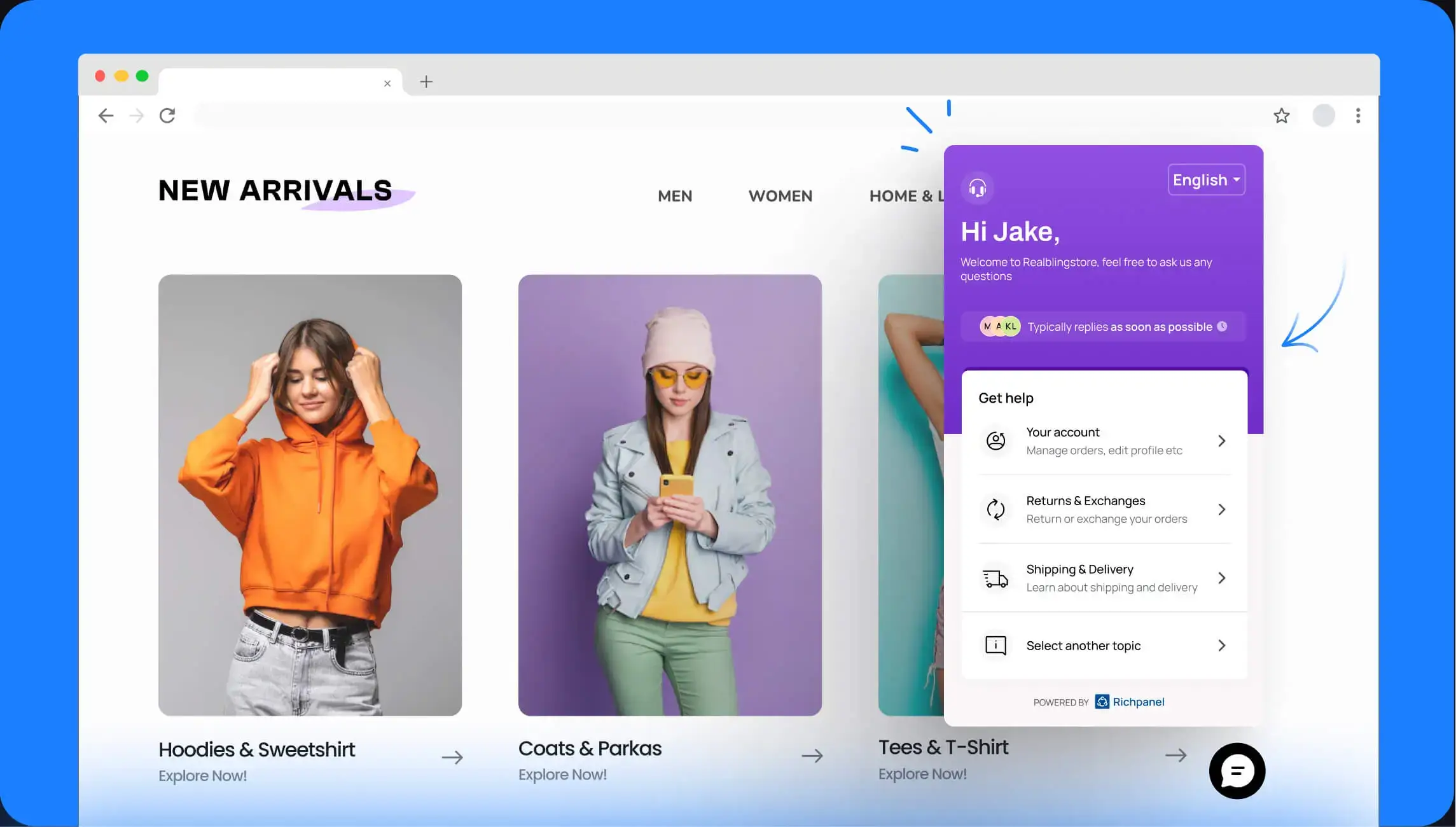
A mockup of an e-commerce website showcasing live chat functionality for great customer service


Delivering Stellar Customer Service: Building Loyalty and Trust

Congratulations! You’ve launched your online store, implemented effective marketing strategies, and are attracting customers. But remember, exceptional customer service is the golden thread that weaves customer satisfaction, loyalty, and positive word-of-mouth recommendations. Here’s how to prioritise customer service and create a memorable experience for every interaction.


Creating a Customer-Centric Culture

Prioritize Empathy and Understanding: Train your customer service team to approach interactions with empathy and a genuine desire to help. Actively listen to customer concerns, acknowledge their frustrations, and work towards solutions that leave them feeling valued.

Respond Promptly and Professionally: Timely responses are crucial. Set clear response time expectations and strive to answer customer inquiries as quickly as possible, across all communication channels (phone, email, social media).

Proactive Communication: Don’t wait for customers to reach out with issues. Provide proactive communication throughout the buying journey. Send order confirmation emails, shipping notifications, and even track order inquiries to keep customers informed.


Building Trust Through Transparency and Flexibility

Clear Return and Exchange Policies: Make your return and exchange policies readily available on your website. Outline the process clearly and be transparent about any conditions or limitations. A fair and hassle-free return policy fosters trust and encourages customers to purchase with confidence.

Go the Extra Mile: While meeting customer expectations is essential, exceeding them can create lasting impressions. Consider offering surprise upgrades, personalised recommendations, or loyalty programs to reward repeat customers. These small gestures can go a long way in building brand loyalty.


Utilizing Technology for Enhanced Service

Live Chat Support: Offer live chat functionality on your website to provide real-time customer support. This allows customers to get immediate answers to their questions and can significantly improve the customer experience.

Self-Service Options: Implement a comprehensive FAQ (Frequently Asked Questions) section on your website. This empowers customers to find answers to common questions independently and reduces the strain on your customer service team.

Customer Reviews and Feedback: Encourage customer reviews and actively solicit feedback. Positive reviews build trust with potential customers, while negative feedback offers valuable insights for improvement. Address negative reviews promptly and professionally, demonstrating your commitment to customer satisfaction.

By prioritizing customer service, building trust through transparency, and leveraging technology to enhance your service offerings, you’ll create a loyal customer base and foster a thriving e-commerce business. This concludes our exploration of building a successful e-commerce business! Do you have any questions about the topics we’ve covered?

A woman online shopping while listening to music laying on the sofa with her dog


Congratulations! You’ve Built the Blueprint for E-commerce Success

The e-commerce landscape may seem vast, but with this comprehensive guide as your compass, you’re well-equipped to navigate the exciting journey of building a thriving online store. Remember, the key to success lies in meticulous planning, a customer-centric approach, and a willingness to adapt and learn as your business evolves.


Here’s a quick recap of the valuable knowledge you’ve acquired

Identifying your niche and target audience – Understanding your market ensures you cater to the right customers with the right products.

Crafting a winning business plan – Setting clear goals, outlining your budget, and establishing a legal foundation are essential for smooth operation.

Choosing the perfect e-commerce platform – Your platform is the home of your online store, so pick one that aligns with your needs and offers the features you require.

Building a user-friendly and visually appealing online store – A seamless user experience and clear product information are crucial for converting visitors into customers.

Integrating secure payment gateways and reliable shipping options – Customers expect a smooth and secure checkout process, along with transparent shipping information.

Developing a marketing strategy and implementing key tactics – Attract customers through social media engagement, content marketing, and effective SEO practices.

Prioritizing exceptional customer service – Building trust and fostering loyalty relies on prompt, professional, and helpful customer service interactions.

This guide has equipped you with the essential tools to launch your e-commerce adventure. Remember, the journey is just as important as the destination. Embrace the learning process, adapt to new challenges, and celebrate your achievements along the way. The world of e-commerce is brimming with potential, and with your dedication and the knowledge you’ve gained, your online store is poised for success.

Now, go forth and conquer the e-commerce world! But don’t hesitate to revisit this guide or seek out additional resources as you navigate your entrepreneurial path. The world of e-commerce is constantly evolving, and staying informed will keep you ahead of the curve. Best of luck in your exciting endeavors!


Interested In?

Creating An Ecommerce Store?

Talk to an expert now!

advdsvsdvdvs

2025 Web Design Trends

2025 Web Design Trends: The Evolution of Web Development in Toronto

In the bustling city of Toronto, web development is continuously evolving to meet the demands of the digital world. As we head into 2025, web designers and developers are gearing up to embrace the latest trends that will shape the future of website design. From AI integration to immersive web experiences, the landscape of web development is set to undergo significant transformations. In this article, we will explore the top 10 web design trends to watch for in 2025, the rise of AI in web development, creating immersive web experiences, the evolution of user experience, and the impact of aesthetics in web design. Stay ahead of the curve and discover the cutting-edge trends that will define the web design industry in the coming year.


1. Top 10 Web Design Trends to Watch for in 2025

As we look ahead to 2025, the world of web design is set to undergo some exciting changes and innovations. Here are the top 10 web design trends to watch for in the coming year:

1. Typography: Expect to see bold and impactful typography taking center stage in website design in 2025, making a strong visual statement.

2. Animation: Animated elements will continue to be a popular trend, adding movement and interactivity to websites for a more engaging user experience.

3. AI: The adoption of AI-generated designs will become more prevalent, allowing for personalized experiences and efficient design processes.

4. Scroll: With user behavior in mind, websites will be designed to create a seamless scrolling experience, keeping visitors engaged as they navigate through the site.

5. User Experience: User experience (UX) will remain a top priority, with a focus on clean and minimalist designs that enhance functionality and usability.

6. Gradient: The use of gradient colors will continue to be a popular design choice, adding depth and visual interest to websites.

7. Layout: Expect to see innovative layout designs, including parallax scrolling and interactive storytelling, to create immersive experiences for users.

8. Navigation: Navigation bars will be optimized for easy access and intuitive user flow, ensuring a smooth browsing experience.

9. Minimalism: Minimalist design aesthetics will make a comeback in 2025, with a focus on simplicity and elegance in website design.

10. Interactive Elements: Websites will feature more interactive elements, such as motion effects and hero sections, to make the user experience on your website more dynamic and engaging.

Overall, the trends in web design for 2025 point towards a digital world full of color, immersive experiences, and user-centric design. Stay ahead of the curve by incorporating these design elements into your website to create a visually stunning and user-friendly online presence.


2. The Rise of AI in Web Development: Trends for 2025 and Beyond

As we look towards the future of web development in Toronto, one trend that is set to make a significant impact is the rise of AI in web development. In 2025 and beyond, we can expect to see AI playing a larger role in the design and development of websites.

AI technology is rapidly advancing and becoming more sophisticated, allowing web designers to create more personalized and interactive experiences for users. This trend is expected to revolutionize the way websites are designed, with AI tools being used to automate tasks such as layout design, typography selection, and even animation creation.

One key area where AI is expected to have a major impact is in improving user experience. By analyzing user behavior and engagement data, AI can help designers create websites that are tailored to individual preferences, making the overall experience more immersive and engaging.

In addition, AI-generated designs can help streamline the web design process, making it more efficient and cost-effective for businesses. With the adoption of AI technology, web designers in Toronto can expect to see a shift towards more dynamic and interactive websites that prioritize user engagement and aesthetics.

Overall, the integration of AI in web development is set to be one of the top web design trends for 2025 and beyond. By leveraging AI technology, web designers can create websites that are not only visually appealing but also highly functional and user-friendly. It is essential for businesses to stay ahead of this trend and incorporate AI into their web development strategies to ensure they remain competitive in the digital landscape.


3. Creating Immersive Web Experiences: Latest Trends in Web Design

In 2025, we can expect to see some exciting new web design trends that will revolutionize the way we interact with websites. From typography to animation, AI to scroll effects, the latest trends in web design are all about creating immersive web experiences that engage users and keep them coming back for more.

One of the top web design trends for 2025 is the use of gradient, layout, and parallax scrolling to create visually stunning websites. Designers are embracing minimalist and oversized design elements to make a strong impact on visitors. The trend of impactful design aesthetics is making a comeback, with web designers focusing on clean and minimalist designs that prioritize user behavior and engagement.

Another trend to watch for in 2025 is the adoption of AI-generated designs and personalized experiences. Designers are incorporating animated and interactive elements, such as motion effects and hero images, to create websites that bring brand identities to life. The trend known as glass morphism, which uses transparent and blurred elements, is also gaining popularity in the design world.

In order to stay ahead of the curve in 2025, web development teams will need to focus on creating websites that are full of color and interactive elements. By prioritizing user behavior and engagement, sites can become immersive experiences that keep visitors engaged and coming back for more. With the right design tools and strategies, web designers in Toronto can create websites that make a strong impact and move across the x-axis of the digital world.


4. The Evolution of User Experience: Trends in Web Development for 2025

One of the most crucial aspects of web development in Toronto, and everywhere else, is the user experience. As we look ahead to 2025, we can expect to see significant trends shaping the way websites are designed and developed to enhance user experience.

Web design trends for 2025 are expected to focus on creating immersive experiences for users with interactive elements, animations, and personalized experiences. The adoption of AI-generated designs will also play a significant role in creating more engaging websites that cater to individual user behavior.

Typography will continue to be a key design element, with clean and minimalist designs making a comeback. Layouts will be more impactful, with oversized elements and gradient color palettes adding depth to the overall aesthetics of websites.

Parallax scrolling and motion effects will be popular trends in 2025, adding a dynamic element to the user experience. Hero images and sections will be used to create a strong brand identity and keep visitors engaged.

Navigation will be reimagined, with interactive storytelling and design systems making websites more intuitive and user-friendly. The trend known as glass morphism, featuring translucent layers and neon colors, will also be a hot web design trend in 2025.

Overall, web designers in Toronto can expect to see websites that are full of color, immersive experiences, and interactive elements that focus on user behavior and engagement. By staying ahead of these trends and incorporating them into their design process, web development agencies can create websites that make a strong impact and keep users coming back for more.


5. From Minimalism to Maximalism: The Impact of Aesthetics in Web Design Trends for 2025

In 2025, web design trends are expected to shift from minimalism to maximalism, with a greater focus on aesthetics and visual impact. Designers are predicted to experiment with bold colors, oversized typography, and extravagant animations to create a more immersive experience for users. The adoption of AI-generated designs and personalized experiences will also play a significant role in shaping the web design landscape in 2025.

One of the top web design trends for 2025 is the use of motion effects, particularly in hero images and sections. These dynamic elements will help websites stand out and keep visitors engaged. Additionally, the trend known as glass morphism, which involves using translucent elements to create a sense of depth and dimension, is expected to gain popularity in the coming year.

Designers will also pay close attention to user behavior and engagement, utilizing interactive elements and intuitive navigation bars to enhance the overall user experience. Neon colors, gradient backgrounds, and innovative layout designs will be key aspects of web design in 2025, as websites strive to create a visually striking online presence.

Overall, web design in 2025 is set to be a fusion of digital aesthetics and functionality, creating websites that are not only visually appealing but also user-friendly and engaging. By incorporating the latest design trends and technologies, web designers in 2025 will be able to push the boundaries of creativity and deliver truly impactful web experiences for users.

Interested In?

Web Development?


Talk to an expert now!

adgdsadf

Effective strategies for social media management

Effective strategies for social media management in 2025: What's working and what's not?

Introduction 

Social media has become integral to modern life, with billions of people using platforms like Facebook, Twitter, and Instagram daily. Social media presents a massive opportunity for businesses and organizations to connect with customers, build brand awareness, and drive sales. However, as social media continues to evolve, it’s more important than ever for businesses to have a clear and effective social media management strategy.


The Importance of Social Media Management in 2025

Social media management is creating, publishing and analyzing content on social media platforms. In 2025, social media management will be more critical than ever for businesses of all sizes. With the right social media management strategy, companies can:

Build brand awareness and reputation: Social media allows businesses to showcase their brand personality and values to a broad audience.

Connect with customers: Social media allows businesses to have direct conversations, answer questions, and respond to real-time feedback.

Drive sales: Social media can be a powerful sales channel, with the ability to target specific audiences and drive conversions.

Gather valuable data: Social media data provides insights into customer behaviour, preferences, and opinions, which can inform business decisions and improve overall marketing strategy.


Introduction to Effective Social Media Management Strategies 

Effective social media management requires a comprehensive and well-planned strategy considering business objectives, target audience, content creation, advertising, community building, and data analysis. In this blog, we will discuss some of the most effective social media management strategies in 2025, including how to create engaging content, leverage social media advertising, build a community, and measure success. By implementing these strategies, businesses can maximize the benefits of social media and stay ahead of the competition in 2025.


Understanding Your Audience 

Understanding your audience is one of the most critical components of an effective social media management strategy. By identifying and understanding your target audience, you can tailor your content, messaging, and advertising to resonate better with their interests and needs.

Importance of understanding your audience: Start by explaining why businesses must understand their audience. For example, you might note that understanding your audience allows you to create more targeted and effective social media campaigns, increase engagement, and build brand loyalty.

How to identify your target audience: Share tips and techniques for identifying your target audience. This might include analyzing website analytics, conducting market research, and creating buyer personas.

Techniques to better understand your audience’s needs and interests: Once you’ve identified your target audience, you need to understand their needs, interests, and pain points. Offer some tips and techniques, such as analyzing social media conversations, conducting surveys or polls, and using social listening tools.

How to adapt your social media strategy to your audience: Explain how businesses can adjust their social media strategy to better connect with their audience. This might include tips on creating content that resonates with your audience, developing a unique brand voice, and crafting targeted social media ads. Emphasize the importance of ongoing monitoring and analysis to ensure your social media strategy always aligns with your audience’s needs and preferences.


Effective strategies for social media management in 2023: What's working and what's not?


Creating Engaging Content 

Creating engaging content is one of the essential components of a successful social media strategy. Creating content that resonates with your audience can increase engagement, drive traffic to your website, and build brand awareness. Here are some key subtopics to cover in this section:

The importance of creating engaging content: Explain why creating engaging content is so critical to the success of a social media strategy. For example, you might note that interesting content can help businesses stand out in a crowded social media landscape, build trust with their audience, and drive conversions.

Best practices for engaging content: Share tips and best practices for creating exciting content. This might include suggestions on eye-catching visuals, making compelling headlines, and using humor or storytelling to capture your audience’s attention. Offer examples of successful social media campaigns that have effectively used these tactics.

Developing a content calendar: Developing a content calendar is essential in creating engaging content. Explain why having a content calendar is important and share some tips on developing one. This might include suggestions on how to plan content around seasonal events, create a mix of different types of content (e.g. videos, blog posts, infographics), and align content with business goals.

Strategies for promoting content: Creating engaging content is only half the battle – businesses also need to enable their content effectively to ensure it reaches their target audience. Share tips on promoting content, such as using hashtags, engaging with influencers, and using paid social media advertising to boost visibility.

Measuring content performance: Finally, measuring your content’s performance to determine what’s working and what’s not is essential. Share tips on measuring content performance, such as analyzing engagement rates, tracking click-through rates, and monitoring social media metrics like reach and impressions. Suggest using this data to refine and improve your content strategy over time.


Leveraging Social Media Advertising 

While organic social media strategies can be effective, businesses can also benefit from leveraging social media advertising to increase their reach and engagement. Social media advertising offers a variety of targeting options and ad formats, making it a powerful tool for businesses looking to grow their audience and drive conversions. Here are some key subtopics to cover in this section:

Types of social media ads: Provide an overview of the ads available on different platforms, such as Facebook, Instagram, LinkedIn, and Twitter. Explain the benefits and drawbacks of each ad format and the targeting options available for each forum.

Setting advertising goals: It’s essential to set clear advertising goals to ensure your social media ads are effective. Share some tips on how to set advertising goals, such as increasing website traffic, generating leads, or increasing sales.

Targeting your audience: One of the most significant benefits of social media advertising is the ability to target your audience precisely. Share tips on effectively targeting your audience, such as using lookalike audiences, retargeting website visitors, or targeting based on interests or demographics.

Creating effective ad content: To develop effective social media ads, creating content that resonates with your target audience is vital. Share tips on creating effective ad content, such as eye-catching visuals, compelling copy, and clear calls to action.

Measuring ad performance: Finally, measuring the performance of your social media ads to determine what’s working and what’s not is essential. Share tips on measuring ad performance, such as analyzing click-through, conversion, and engagement rates. Suggest using this data to refine and improve your social media advertising strategy over time.


Building a Community 

Social media is not just about broadcasting messages to a broad audience – it’s also about building a community of engaged followers loyal to your brand. Building a community can help businesses increase engagement, generate user-generated content, and develop a loyal customer base. Here are some key subtopics to cover in this section:

Why building a community is essential: Explain why building a community is so critical to the success of a social media strategy. For example, you might note that building a community can help businesses create a sense of belonging among their followers, foster engagement and brand loyalty, and drive word-of-mouth marketing.

Building a brand voice: One crucial aspect of building a community is developing a consistent brand voice that resonates with your audience. Share some tips on developing a brand voice, such as defining your brand values, identifying your target audience, and creating a brand style guide.

Encouraging user-generated content: User-generated content can be a powerful tool for building a community and increasing engagement. Share tips on promoting user-generated content, such as running contests or challenges, asking for feedback or reviews, and sharing user-generated content on your social media channels.

Engaging with your followers: Engaging with your followers is another critical aspect of building a community. Share tips on engaging with your followers, such as responding to comments and messages, sharing user-generated content, and hosting live Q&A sessions.

Using social media groups: Social media groups can be a powerful tool for building a community around your brand. Share some tips on using social media groups effectively, such as creating a clear purpose for the group, moderating discussions to maintain a positive environment, and using the group to solicit feedback and ideas from your followers.

Building a community takes time and effort, but it can be a precious aspect of a social media strategy. By fostering a sense of community and engagement among your followers, you can create a loyal customer base to support your business over the long term.


Measuring Success 

Effective social media management requires ongoing measurement and analysis to determine what’s working and what’s not. Businesses can refine their social media strategies by measuring key metrics, increasing engagement, driving conversions, and achieving goals. Here are some key subtopics to cover in this section:

Defining success metrics: Before measuring success, defining what success means for your business is essential. Share tips on defining success metrics, such as setting clear goals, identifying key performance indicators (KPIs), and aligning social media metrics with overall business objectives.

Measuring engagement: Engagement is critical for social media success, reflecting how well your content resonates with your audience. Share some tips on measuring engagement, such as tracking likes, comments, shares, and mentions, as well as monitoring sentiment and feedback from your followers.

Measuring conversions: Conversions are another critical metric for success, reflecting how well your social media efforts drive tangible business results. Share tips on measuring conversions, such as tracking website traffic, lead generation, and sales.

Using social media analytics tools: To effectively measure success on social media, it’s essential to use analytics tools that can provide insights into your performance. Share tips on using social media analytics tools like Facebook Insights, Twitter Analytics, and Instagram Insights to track key metrics and optimize your social media strategy.

Refining your social media strategy: Finally, using the insights gained from measuring success to refine and optimize your social media strategy over time is essential. Share some tips on using data to refine your social media strategies, such as testing different content formats, experimenting with targeting and ad formats, and adjusting your posting frequency or timing.

By regularly measuring success and refining your social media strategy, you can continue to grow your social media presence, increase engagement and conversions, and achieve your business goals over time.


Conclusion

Effective social media management is critical for businesses looking to build a robust online presence, engage with customers, and drive business results. In this blog post, we’ve covered some of the most effective strategies for social media management in 2025, including:

Understanding your audience

Creating engaging content

Leveraging social media advertising

Building a community

Measuring success

By following these strategies, businesses can create a successful social media presence that resonates with their audience, builds engagement and loyalty, and drives tangible business results.

However, social media is constantly evolving, and what works today may not work tomorrow. It’s vital for businesses to stay up-to-date on the latest trends and best practices in social media management and to test and refine their strategies over time continuously.

Ultimately, the key to effective social media management is prioritizing your audience and creating content that resonates with them while measuring your results and refining your strategy over time. Businesses can build a solid online presence, engage with customers, and drive accurate business results through social media. 

Interested In?

Social Media Marketing Service?


Talk to an expert now!

aaaabc

Unleashing Power Through Branding

Unleashing Power Through Branding: An Insightful Journey Through the World's Most Powerful Logo Designs

In the realm of branding, a logo is much more than just a simple design or a stylish emblem. It’s a visual representation of a brand’s identity, a silent ambassador, and a powerful tool for creating a lasting impression. The role of a logo is to catch the attention of consumers, convey the brand’s values, and make the brand stand out from its competitors. However, not all logos hold the same power. This article dives into the world of the most powerful logo designs, exploring their iconic nature, their profound impact and influence, and the crucial elements that make them rise above the rest. Prepare to delve into the insightful journey of emblematic mastery and creative genius.

Exploring the Most Iconic and Powerful Logo Designs

Logo designs play a crucial role in brand recognition and representation. The strength of a logo lies in its ability to convey a company’s identity, mission, and values in a simple yet compelling manner. Let’s explore some of the most iconic and powerful logo designs that have stood the test of time and continue to dominate the world of branding.

Apple Inc.’s bitten apple logo is the epitome of simplicity and sophistication. It is arguably one of the most recognized logos globally. Designed by Rob Janoff in 1977, the logo cleverly uses a bitten apple to represent knowledge and discovery. The sleek, minimalist design mirrors the brand’s commitment to innovation and clean, user-friendly designs.

Next on the list is Nike’s famous Swoosh logo, representing motion and speed. Carolyn Davidson designed it in 1971 for a mere $35! The Swoosh embodies the spirit of the Greek goddess of victory, Nike, and has become synonymous with athleticism and triumph.

Coca-Cola’s logo, with its iconic red and white color palette and unique script typeface, is another powerful design. Created by Frank Mason Robinson in 1886, the logo is a testament to the power of consistency and familiarity in branding. The flowing script represents joy and pleasure, aligning perfectly with the company’s goal to bring happiness to their consumers.

The Golden Arches of McDonald’s are another symbol instantly recognizable worldwide. The ‘M’ logo, designed by Jim Schindler in 1962, not only stands for McDonald’s but also suggests a pair of nourishing breasts, according to design consultant and psychologist Louis Cheskin. This idea of nourishment and care aligns well with the fast-food giant’s business.

Lastly, the simplistic yet powerful logo of Google deserves a mention. Despite its minimalistic design, the logo’s use of primary colors (with a single letter in secondary color) underscores the company’s willingness to defy the norm. The logo, like the search engine itself, has become an integral part of our daily lives.

These iconic logos have achieved the perfect blend of simplicity, relevance, and memorability, making them powerful symbols in the global marketplace. They serve as a masterclass in effective logo design, demonstrating that a well-designed logo can indeed be a significant factor in a brand’s success.

The Impact and Influence of Powerful Logo Designs

Effective social media management requires a comprehensive and well-planned strategy considering business objectives, target audience, content creation, advertising, community building, and data analysis. In this blog, we will discuss some of the most effective social media management strategies in 2023, including how to create engaging content, leverage social media advertising, build a community, and measure success. By implementing these strategies, businesses can maximize the benefits of social media and stay ahead of the competition in 2023.

Powerful logo designs hold an immense influence over the way a business, product, or service is perceived. They serve as an immediate method of communication, conveying the essence of a brand to consumers within seconds. A well-crafted logo can establish credibility, engender trust, and differentiate a brand from its competition.

One of the primary impacts of a powerful logo design is instant recognition. Just like the golden arches of McDonald’s or the swoosh of Nike, the right logo can become synonymous with the brand it represents. This instant recognition can significantly enhance brand loyalty and recall, making the brand top-of-mind for consumers when they think of a particular industry or product category.

Powerful logo designs also play a crucial role in company identity. They encapsulate the ethos, values, and personality of a brand, serving as a visual representation of the brand’s story and mission. For instance, the minimalist fruit logo of Apple is an emblem of innovation and high-quality design, reflecting the brand’s commitment to sleek, user-friendly technology.

Furthermore, a well-designed logo can aid in attracting the target audience. By understanding the preferences, attitudes, and behaviors of their ideal customers, brands can design dominant logos that appeal directly to these individuals. For example, a brand targeting a younger, more modern demographic might opt for a vibrant, abstract logo, while one aimed at a more traditional audience might choose a classic, understated design.

In addition, powerful logo designs can foster a sense of trust and professionalism. A high-quality logo can make a brand appear established and credible, encouraging consumers to trust in its products or services. They also provide a sense of consistency and familiarity, which can further strengthen the relationship between a brand and its customers.

In essence, the impact and influence of powerful logo designs cannot be overstated. They are a brand’s first impression, the visual embodiment of its values, and a key factor in its market positioning. By investing in a powerful logo design, brands can establish their identity, attract their target audience, and foster lasting relationships with their customers.

Breaking Down the Elements of a Powerful Logo Design

A powerful logo design is not just a random amalgamation of shapes, colors, and fonts. Instead, it’s a carefully curated blend of various design elements that work together to create a memorable and impactful image. Let’s break down these elements to understand what makes a logo powerful and effective.

1. Simplicity: The most powerful logos are often the simplest. Think of the Nike Swoosh, Apple’s apple or McDonald’s golden arches. These logos are simple, clean, and easily recognizable. They don’t have intricate details that can be lost when the logo is shrunk down. Instead, they rely on simple shapes and minimalism to create a strong visual impact.

2. Relevance: The elements of a logo should be relevant to the brand it represents. For instance, if you’re designing a logo for a tech company, you might want to incorporate elements that suggest innovation and forward-thinking, like sleek lines or a futuristic typeface.

3. Uniqueness: A powerful logo should stand out from the crowd. It should be distinctive and memorable, helping consumers immediately associate it with your brand. This often involves thinking outside the box to create a logo that’s truly unique and not just a rehash of common designs.

4. Color: Color plays a crucial role in logo design. Different colors can evoke different emotions and reactions. For instance, red can evoke feelings of passion and energy, while blue can suggest trust and reliability. The colors in a logo should align with the brand’s personality and the emotions it wants to evoke in its customers.

5. Typography: The font used in a logo can convey a lot about the brand. Serif fonts can suggest tradition and reliability, while sans-serif fonts can look modern and sleek. Script fonts might convey elegance and creativity. The typography should be legible at different sizes and complement the other elements of the logo.

6. Versatility: A powerful logo should be versatile. It should look good in different sizes, on different platforms, and in black and white as well as color. This often means keeping the design simple and avoiding overly complex elements that won’t scale well.

In essence, a powerful logo design is a balancing act between these different elements. It’s about creating something that’s simple yet memorable, relevant yet unique, and colorful yet versatile. With the right combination of these elements, a logo can become a powerful tool for brand recognition and marketing.

Interested In Our?

Branding Service?

Talk to an expert now!

seo-professionals-analyzing-data

Navigating the SEO Landscape in 2025

Navigating the SEO Landscape in 2025: Debunking Myths, Embracing AI, and Optimizing Content for Success

In the ever-evolving world of SEO, staying ahead of the latest trends and debunking myths is crucial for SEO professionals in 2025. With AI, generative experience, and beyond shaping the future of SEO, it is important to optimize content effectively to rank higher in search engine results. This article delves into the integration of AI and machine learning in SEO, the importance of creating high-quality, authoritative content, and the latest strategies and trends in the SEO landscape. Stay ahead of the game and ensure visibility in search engine results with the insights provided in this comprehensive guide for SEO success in 2025 and beyond.


1. SEO Trends in 2025: AI, Generative Experience, and Beyond

As we look towards the future of SEO in 2025 and beyond, it is evident that AI will play a crucial role in shaping the landscape of search engine optimization. With the rise of generative experience and AI tools, SEO professionals must adapt their strategies to optimize content for the evolving algorithms and ranking factors.

In 2023, we saw a shift towards user intent and user experience becoming key components in search engine rankings. As we move into 2025, it is essential for SEO professionals to focus on creating high-quality content that meets the needs of their target audience. This includes conducting thorough keyword research, implementing technical SEO best practices, and optimizing content for search intent.

Generative AI is also expected to have a significant impact on SEO in the coming years. This technology can create content that is relevant and engaging for users, leading to improved visibility in search engine results. SEO professionals must stay ahead of the curve by integrating AI tools into their content strategies and adapting to the changing algorithms.

Furthermore, the integration of AI and machine learning into SEO practices will have implications for how content is produced and optimized. Marketers and SEO experts must update their content to meet the evolving demands of search engines like Google, which prioritize helpful and authoritative content.

In conclusion, the future of SEO in 2025 and beyond will be shaped by AI, generative experience, and the ever-changing algorithms of search engines. SEO professionals must stay informed on the latest trends and adapt their strategies to ensure success in the competitive world of SEO. By focusing on creating high-quality and relevant content that aligns with user intent, SEO experts can stay ahead of the game and maintain visibility in search engine results.


2. Debunking SEO Myths: What SEO Professionals Must Know in 2025

SEO is a constantly evolving field, with new trends and updates shaping the way professionals optimize their content for search engines. In 2025, AI is expected to play an even bigger role in SEO strategies, with AI tools like generative AI becoming more prevalent in content creation and optimization. SEO professionals must stay ahead of the curve and adapt to these changes in order to maintain visibility in search engine results.

One common myth that SEO professionals must be aware of is the belief that traditional SEO practices are no longer relevant in 2025. While it’s true that the SEO landscape is constantly changing, traditional SEO best practices still form the foundation of a successful SEO strategy. Marketers should focus on creating high-quality, authoritative content that meets user intent and provides a generative experience.

Another myth that SEO professionals must debunk is the idea that solely focusing on Google is enough to achieve SEO success. While Google is a major player in the search engine world, it’s important to consider other search engines and platforms, such as social media platforms, in order to reach a wider audience. Integration of AI and machine learning into SEO strategies can help marketers optimize their content for a variety of platforms and improve visibility in search engine results.

In 2025 and beyond, SEO professionals must also pay attention to user behavior and search intent when creating content. Understanding the needs and preferences of their target audience will help marketers optimize their content for relevant queries and improve their rankings in SERPs. Additionally, updating existing content and creating new content that provides helpful and relevant information will be crucial for SEO success in 2025.

Overall, SEO professionals must stay informed about the latest trends and developments in the world of SEO in order to stay ahead of the competition. By focusing on creating high-quality, authoritative content that meets user intent and integrating AI tools into their strategies, SEO experts can continue to improve their visibility in search engine results and drive organic traffic to their websites.


3. The Future of SEO: Integrating AI and Machine Learning

The future of SEO is rapidly evolving, with the integration of AI and machine learning playing a crucial role in shaping the industry landscape. As we look ahead to 2025 and beyond, SEO professionals must stay ahead of the curve by adapting to the latest trends and advancements in search engine optimization.

AI tools are becoming increasingly prevalent in the SEO world, offering marketers valuable insights into user behavior and search intent. By utilizing generative AI, SEO experts can create high-quality content that is not only authoritative but also tailored to the specific needs of their target audience. This approach is crucial for SEO success in a world where user experience and relevance are key ranking factors.

Incorporating AI and machine learning into content strategies can also help optimize content for search engine visibility. By understanding the implications of AI-generated content and the latest algorithm updates, SEO professionals can update their existing content to better meet the needs of their target audience. Additionally, integrating AI into on-page SEO practices can improve content indexing and visibility in search engine results.

The future of SEO will also see a greater emphasis on the importance of video content. Google has made it clear that video SEO is crucial for visibility in search engine results, with content creators needing to focus on creating content that provides a generative experience for users. By updating your content to include video elements and optimizing it for relevant keywords, you can improve your chances of ranking highly in SERPs.

Overall, the integration of AI and machine learning into SEO strategies is changing the way marketers approach search engine optimization. By staying informed about the latest trends and incorporating AI tools into their practices, SEO professionals can create content that meets the needs of their target audience and improves their visibility in search engine results. The future of SEO is bright, with AI playing a central role in shaping the SEO landscape for years to come.


4. Optimizing Content for SEO Success in 2025 and Beyond

As we look ahead to 2025 and beyond, the landscape of SEO is constantly evolving with the integration of AI and machine learning. SEO professionals must stay ahead of the curve by adapting to the latest trends and updates in order to optimize their content for success in the ever-changing world of search engine results.

One key aspect of optimizing content for SEO success in 2025 is focusing on user intent. With the help of AI tools like SEMrush, marketers can better understand the intent behind a user’s query and create content that meets their needs. By tailoring content to match search intent, SEO professionals can improve their visibility in search engine results and increase their chances of ranking higher in SERPs.

Another important factor to consider is the quality of the content. Google’s E-A-T (expertise, authoritativeness, and trustworthiness) guidelines emphasize the importance of creating high-quality and authoritative content. SEO experts must focus on producing helpful content that not only meets the needs of their target audience but also establishes their credibility in the eyes of both users and search engines.

In addition, the integration of AI into content creation is becoming more prevalent in the SEO world. Generative AI tools can assist content creators in producing relevant and engaging content that resonates with their audience. By leveraging AI-generated content, SEO professionals can stay ahead of the curve and adapt to the changing landscape of SEO.

Overall, the future of SEO in 2025 and beyond will rely heavily on creating content that provides value to users, aligns with search intent, and leverages the latest AI technologies. SEO professionals must update their content strategies to stay competitive in the ever-evolving world of search engine optimization.


5. The State of SEO: Latest Trends and Strategies

In the ever-evolving world of SEO, staying on top of the latest trends and strategies is crucial for success. As we look ahead to 2025 and beyond, the integration of AI and machine learning into SEO practices is becoming increasingly important. AI tools, such as those offered by SEMrush, are helping SEO professionals optimize their content for better visibility in search engine results.

One of the key trends in SEO for 2025 is the focus on user intent. Search engines like Google are placing more emphasis on delivering relevant content that meets the user’s query and provides a helpful experience. This means that SEO professionals must create content that not only ranks well but also resonates with the target audience.

High-quality content continues to be a crucial ranking factor in the world of SEO. SEO experts emphasize the importance of creating authoritative and helpful content that addresses user behavior and search intent. Content creators must update their content regularly to ensure it remains relevant and optimized for search engine results.

In addition to traditional SEO best practices, the rise of AI-generated content is changing the SEO landscape. Generative AI tools are being used to create content that meets the needs of users and aligns with Google’s E-A-T (Expertise, Authoritativeness, Trustworthiness) guidelines. SEO professionals must adapt their content strategies to incorporate AI-generated content while still maintaining the quality and relevance of their content.

Overall, the future of SEO lies in creating content that provides a generative experience for users and meets the evolving demands of search engines. By focusing on user intent, optimizing content for search results, and integrating AI tools into their strategies, SEO professionals can stay ahead in the ever-changing world of SEO.


6. Content Marketing and SEO: Creating High-Quality, Authoritative Content for Visibility

Content marketing plays a crucial role in SEO strategies, especially when it comes to creating high-quality, authoritative content that can improve visibility in search engine results. In 2025 and beyond, SEO professionals must focus on optimizing content for user intent and creating content that meets the needs of their target audience.

Keyword research remains a crucial aspect of content creation, as it helps identify relevant topics and keywords that can be integrated into the content. Technical SEO also plays a significant role in optimizing content for search engines, ensuring that it is easily indexed and ranked in search results.

With the rise of AI tools and generative AI, content creators can leverage these technologies to improve content production and optimize content for SEO. The integration of AI and machine learning can help marketers understand user behavior and create content that resonates with their audience.

It is essential to update your content regularly to keep up with algorithm updates and changing trends in the SEO landscape. By focusing on creating helpful content that provides value to users, SEO professionals can improve their visibility in search engine results and drive organic traffic to their websites.

Overall, content marketing and SEO go hand in hand in the world of SEO, and creating high-quality, authoritative content is a crucial ranking factor in 2025 and beyond. SEO professionals must stay updated on the latest trends and best practices to ensure their content is optimized for search engines and meets the needs of their target audience.

Interested In?

Securing top spot for your website?

Talk to an expert now!

acbbc

Essential Local Business Website Features

9 Essential Local Business Website Features for a Strong Digital Foundation

In today’s digital age, having a well-designed and functional website is essential for local businesses. A website serves as the virtual storefront, offering a platform for businesses to connect with potential customers and establish their online presence. It acts as a gateway for customers to learn about the business, its products or services, and make informed decisions.

In this blog post, we will explore the key website features that every local business should have. These features are not only crucial for attracting potential customers but also for establishing trust, showcasing offerings, and ultimately driving conversions. By incorporating these essential elements into their websites, local businesses can effectively communicate their brand message, provide a seamless user experience, and gain a competitive edge in their local markets.

So, whether you’re a restaurant, a boutique shop, a service provider, or any other type of local business, this guide will provide valuable insights on the essential website features that can help you maximize your online presence and propel your business forward.

Next, we will delve into the first section, which focuses on creating a clear and compelling homepage that captivates visitors and conveys your business’s unique value proposition.


Clear and Compelling Homepage

Your homepage is like the front door to your business. It’s the first impression visitors get when they land on your website. A visually appealing and informative homepage is crucial for capturing their attention and keeping them engaged. Let’s explore the key elements that make a homepage clear and compelling for your local business.

1.Clear Value Proposition

One of the most important aspects of your homepage is conveying your unique value proposition. In a concise and compelling manner, communicate what sets your business apart from the competition and why visitors should choose your products or services. Clearly articulate the benefits and solutions your business offers, highlighting what makes you the go-to choice in your local market.

2. Engaging Visuals:

Humans are visual creatures, and incorporating captivating visuals on your homepage is a powerful way to grab attention and create a positive impression. Use high-quality images or videos that showcase your products, services, or the atmosphere of your business. Visuals should align with your brand identity and evoke the desired emotions in your target audience.

3. Concise Business Information:

While aesthetics are essential, it’s equally crucial to provide clear and concise business information on your homepage. This includes your business name, logo, and a brief description that conveys what you do and who you serve. Make it easy for visitors to understand the nature of your business within seconds of landing on your homepage.

4. Navigation Menu:

A well-organized navigation menu is essential for guiding visitors through your website. Ensure that your menu is easily accessible and prominently placed on your homepage. Use clear and concise labels for each menu item, making it intuitive for visitors to explore different sections of your website, such as “About Us,” “Services,” “Products,” or “Contact.”

5. Call-to-Action (CTA) Buttons:

To encourage visitor engagement and conversion, strategically place compelling call-to-action (CTA) buttons on your homepage. These buttons prompt visitors to take specific actions that align with your business goals. Examples of effective CTAs include “Shop Now,” “Book an Appointment,” or “Contact Us.” Make sure your CTAs stand out visually and are easily clickable.

6. Testimonials and Social Proof:

Building trust with potential customers is crucial. Incorporating testimonials and social proof on your homepage can help establish credibility and reassure visitors about the quality of your products or services. Display positive reviews or testimonials from satisfied customers prominently on your homepage to showcase your reputation and encourage trust.

By focusing on these key elements, you can create a clear and compelling homepage that captivates visitors, effectively communicates your value proposition, and encourages them to explore further. Remember, the goal is to provide a positive user experience and make it easy for visitors to find the information they need to take the desired actions on your website.

Next, we will discuss the importance of prominently displaying contact information and location details on your local business website.


Contact Information and Location Details

Providing clear and accessible contact information is vital for local businesses on their websites. It not only helps potential customers reach out to you but also instills trust and confidence in your business. Let’s explore the significance of prominently displaying contact information and including location details on your website.

1. Prominently Displayed Contact Information:

Make sure that your contact information is easily visible and accessible on your website, particularly on your homepage. This includes providing a phone number, email address, and physical address. Consider placing this information in the header or footer section of your website to ensure it’s readily available regardless of which page a visitor is on.

2. Physical Address and Map:

Including your physical address is crucial for local businesses as it helps potential customers locate you and understand your geographical presence. Consider embedding an interactive map on your contact page or even on the footer section of your website to provide an easy visual reference. This can be especially helpful for businesses with brick-and-mortar locations.

3. Phone Number and Click-to-Call Functionality:

Display your business phone number prominently and consider enabling click-to-call functionality on mobile devices. This allows visitors to easily initiate a call by simply tapping the number, streamlining the communication process and encouraging immediate contact.

4. Email Address and Contact Form:

In addition to a phone number, include an email address that visitors can use to reach you. Consider providing a contact form on your website, making it convenient for visitors to submit inquiries or messages directly from your site. Ensure that the contact form is user-friendly, concise, and includes fields for relevant information.

5. Social Media Links

Incorporating links to your social media profiles is essential in today’s digital landscape. It allows visitors to connect with your business on various platforms and stay updated on your latest news, offers, and promotions. Include recognizable social media icons on your website, linking to your profiles on platforms such as Facebook, Instagram, Twitter, or LinkedIn.

6. Online Chat or Messaging Options:

Consider offering online chat functionality or messaging options to enhance customer support and facilitate real-time communication. This feature allows visitors to ask questions or seek assistance directly from your website, improving their experience and increasing the likelihood of conversion.

By prominently displaying your contact information and location details, you make it easy for potential customers to connect with you and inquire about your products or services. Providing multiple channels of communication, such as phone, email, contact forms, and social media, ensures that visitors can reach out in their preferred way, boosting engagement and fostering trust.

Next, we will discuss the importance of showcasing your services or product listings effectively on your local business website.


Services or Product Listings

Showcasing your products or services effectively on your local business website is crucial for engaging potential customers and influencing their purchasing decisions. Let’s explore the importance of highlighting your offerings and discuss the benefits of providing detailed descriptions, high-quality images, and pricing information if applicable.

1. Highlighting Offerings:

Effectively showcasing your products or services allows visitors to understand what you have to offer and how it can benefit them. Clearly communicate the unique selling points and value of each offering, emphasizing how they meet customers’ needs or solve their problems. This helps potential customers make informed decisions and increases their confidence in choosing your business.

2. High-Quality Images:

Visual appeal plays a significant role in capturing the attention of potential customers. Include high-quality images that showcase your products or visually represent your services. The images should accurately depict the appearance, quality, and functionality of the offerings. Invest in professional photography or high-resolution graphics to create a positive and enticing visual experience for visitors.

3. Pricing Information:

If applicable, consider including pricing information for your products or services. Transparency regarding pricing helps potential customers gauge affordability and make purchase decisions accordingly. Displaying pricing information also helps to qualify leads and filter out individuals who may not be within your target market or budget range. However, if your pricing structure is complex or varies significantly, provide a clear call-to-action for visitors to contact you for a personalized quote or consultation.

4. Testimonials or Case Studies:

To further enhance the credibility of your offerings, consider including testimonials or case studies that highlight positive experiences or successful outcomes related to your products or services. These real-life examples provide social proof and validate the effectiveness or value of your offerings. Potential customers are more likely to trust and engage with your business when they see evidence of positive results from others.

By effectively showcasing your products or services on your website, you provide visitors with the necessary information to make informed decisions. Detailed descriptions, high-quality images, and, if applicable, pricing information all contribute to creating a compelling and trustworthy online representation of your offerings. Combined with testimonials or case studies, this content can help convert visitors into satisfied customers.

Next, we will discuss the importance of incorporating testimonials and reviews to establish trust and credibility on your local business website.


Testimonials and Reviews:

In today’s digital landscape, testimonials and reviews play a crucial role in establishing trust and credibility for local businesses. Incorporating testimonials and reviews on your website can significantly influence potential customers’ decision-making process. Let’s explore the importance of leveraging testimonials and reviews and how they contribute to building trust in your local business.

1. Establishing Trust and Credibility:

Testimonials and reviews serve as social proof, validating the quality and reliability of your products or services. When potential customers see positive feedback from satisfied customers, it helps build trust in your business. Testimonials and reviews act as endorsements, assuring potential customers that others have had a positive experience with your offerings.

2. Validating Customer Satisfaction:

Including testimonials and reviews on your website demonstrates that your business has a track record of delivering customer satisfaction. It showcases that you have successfully served others and met their expectations. Positive testimonials and reviews act as powerful indicators of the value and quality customers can expect from your offerings.

3. Influencing Purchase Decisions:

Testimonials and reviews have the potential to influence potential customers’ purchasing decisions. When they see positive experiences shared by others, it creates a sense of reassurance and confidence in choosing your business over competitors. Testimonials and reviews provide insights into the benefits, outcomes, and overall customer experience, helping potential customers feel more informed and comfortable with their decision to engage with your business.

4. Displaying Testimonials:

When incorporating testimonials on your website, aim for authenticity and diversity. Use real testimonials from satisfied customers and include their names, titles, or locations, if permitted. Consider featuring testimonials throughout your website, such as on the homepage, product or service pages, or dedicated testimonial sections. Design the presentation of testimonials in a visually appealing manner that grabs attention and reinforces the positive sentiments expressed.

5. Encouraging Customer Reviews:

In addition to showcasing selected testimonials, actively encourage customers to leave reviews on popular review platforms such as Google, Yelp, or industry-specific directories. Include links to these external review platforms on your website. Positive customer reviews not only enhance your online reputation but also provide potential customers with a broader range of feedback from various sources.

6. Responding to Feedback:

Engage with your customers by responding to their testimonials and reviews. Express gratitude for their feedback, whether positive or constructive, and address any concerns or issues raised. Responding to feedback shows that you value customer opinions and are committed to delivering exceptional experiences. It also demonstrates your attentiveness to customer satisfaction and can further enhance your reputation.

By incorporating testimonials and reviews on your website, you showcase social proof and build trust and credibility with potential customers. Positive feedback from satisfied customers influences purchase decisions and validates the quality of your offerings. Actively collect and display testimonials and encourage customers to leave reviews to strengthen your online reputation.

Next, we will discuss the importance of strategically placed call-to-action (CTA) buttons to drive user engagement on your local business website.


Call-to-Action (CTA) Buttons

Call-to-action (CTA) buttons are an essential element of a local business website. Strategically placed CTAs guide visitors towards desired actions, encouraging user engagement and driving conversions. Let’s explore the importance of incorporating effective CTAs and how they can optimize user experience and increase customer engagement on your website.

1. Directing User Actions:

CTA buttons serve as signposts, guiding visitors towards specific actions that align with your business goals. Whether it’s making a purchase, booking an appointment, subscribing to a newsletter, or contacting your business, CTAs provide clear directions for visitors on what steps to take next. They eliminate confusion and make it easy for users to interact with your website.

2. Promoting Conversion Opportunities:

Well-designed and compelling CTAs are instrumental in driving conversions. By strategically placing CTAs throughout your website, you can increase the chances of visitors taking the desired actions, such as making a purchase or filling out a contact form. Effective CTAs prompt visitors to take that next step towards becoming customers or clients.

3. Creating a Sense of Urgency:

By using persuasive language and design, CTAs can create a sense of urgency or excitement, encouraging immediate action from visitors. Phrases like “Limited Time Offer,” “Exclusive Deal,” or “Act Now” can help create a sense of urgency, motivating visitors to take advantage of the opportunity presented to them.

4. Design and Placement:

CTA buttons should stand out visually and be easily noticeable on your website. Use contrasting colors that catch the eye, ensuring that they are visually distinct from the surrounding content. Consider using whitespace around the buttons to enhance their visibility. Place CTAs strategically in prominent locations, such as above the fold on your homepage, on product/service pages, or in the navigation menu.

5. Clear and Compelling Copy:

The text on your CTAs should be concise, action-oriented, and compelling. Use clear and specific language that tells visitors exactly what they can expect by clicking the button. For example, instead of a generic “Submit” button, try using a more descriptive CTA like “Get Your Free Consultation” or “Start Your 30-Day Trial.” The wording should create a sense of value and entice users to click.

6. Mobile Optimization:

Given the prevalence of mobile browsing, it’s crucial to ensure that your CTAs are optimized for mobile devices. Make sure they are easily clickable, properly sized, and visible on smaller screens. Consider using mobile-specific CTAs, such as “Call Now” or “Get Directions,” to accommodate the mobile user experience.

By incorporating strategically placed and compelling CTAs, you can guide visitors towards the actions that drive your business objectives. Well-designed CTAs promote user engagement, optimize the customer journey, and increase the likelihood of conversions. Remember to regularly review and test your CTAs to optimize their effectiveness.

Next, we will discuss the importance of responsive and mobile-friendly website design for local businesses.


Mobile-Friendly and Responsive Design

In today’s mobile-centric world, having a mobile-friendly and responsive website design is essential for local businesses. With an increasing number of people accessing the internet through smartphones and tablets, optimizing your website for mobile devices is crucial. Let’s explore the importance of mobile-friendly and responsive design and how it benefits your local business.

1. User Experience Optimization:

Mobile-friendly and responsive design ensures that your website provides an optimal user experience across different devices and screen sizes. It allows visitors to easily navigate your site, read content, view images, and interact with your offerings without the frustration of zooming or horizontal scrolling. A seamless and user-friendly experience on mobile devices enhances customer satisfaction and encourages longer engagement on your website.

2. Improved Mobile Search Rankings:

Search engines, like Google, prioritize mobile-friendly websites in their search results, especially when users search from mobile devices. Having a responsive design can positively impact your website’s visibility and search engine rankings. A mobile-friendly website is more likely to appear higher in search results, increasing your chances of attracting organic traffic and reaching a wider local audience.

3. Expanded Reach and Accessibility:

By optimizing your website for mobile devices, you ensure that your business is accessible to a larger audience. Mobile-friendly design enables potential customers to access your website anytime, anywhere, on their smartphones or tablets. This accessibility allows you to reach and engage with customers on the go, increasing your chances of attracting local visitors who may be actively searching for products or services in your area.

5. Consistent Brand Experience:

A responsive design ensures that your brand image and messaging are consistent across all devices. Whether visitors access your website on a desktop, smartphone, or tablet, they should encounter a cohesive and visually appealing representation of your brand. Consistency in design and branding elements helps to build trust, reinforce brand recognition, and provide a seamless experience that aligns with your local business identity.

6. Faster Page Load Speeds:

Mobile-friendly design often goes hand in hand with optimized page load speeds. Mobile users expect quick access to information and are more likely to abandon a website that takes too long to load. Responsive design ensures that your website is optimized for fast loading, reducing bounce rates and improving user retention.

7. Competitive Advantage:

Having a mobile-friendly website gives your local business a competitive edge. Many businesses still have websites that are not optimized for mobile devices, which can lead to a poor user experience and loss of potential customers. By providing a seamless and responsive experience, you demonstrate your commitment to meeting customer needs and staying ahead in the digital landscape.

By prioritizing mobile-friendly and responsive design, you create a user-friendly experience, improve search engine visibility, and enhance your local business’s competitiveness. Embrace a mobile-first mindset to cater to the growing number of mobile users and provide a seamless online experience across all devices.

Next, we will discuss the significance of incorporating local search engine optimization (SEO) strategies to increase your local business’s online visibility.


About Us and Company Information

The “About Us” page and the inclusion of relevant company information on your local business website are crucial for establishing credibility, building trust, and connecting with your target audience. Let’s explore the importance of an engaging “About Us” page and the significance of providing relevant company information.

1. Establishing Trust and Credibility:

Creating immersive experiences through animation and interactivity is a key web design trend to watch for in 2024. By incorporating motion effects, hero images, and interactive storytelling, web designers can make websites more engaging and memorable for users. This trend is essential for improving user engagement and creating a modern web experience.

2. Providing Company Background:

Your “About Us” page provides a platform to share the history, background, and milestones of your local business. Describe how your business came into existence, its evolution, and any significant achievements along the way. Share your vision, mission, and core values, showcasing what sets your business apart from competitors and why customers should choose you.

3. Showcasing Expertise and Experience:

Use the “About Us” page to highlight the expertise and experience of your team or key individuals within your organization. Share their backgrounds, qualifications, and relevant accomplishments to instill confidence in your ability to deliver high-quality products or services. This information helps potential customers feel assured that they are dealing with knowledgeable professionals.

4. Connecting on a Personal Level:

The “About Us” page is an opportunity to humanize your brand and connect with your target audience on a personal level. Share stories, anecdotes, or photos that reflect the personality and values of your business. This personal touch helps create an emotional connection and makes your brand more relatable and memorable.

5. Including Company Information:

In addition to the “About Us” page, make sure to include relevant company information throughout your website. This includes your business’s contact information, such as the physical address, phone number, and email address, prominently displayed on every page. Additionally, consider including a dedicated “Contact” or “Get in Touch” page that provides detailed contact information, a contact form, and links to your social media profiles.

6. Transparency and Accessibility:

Providing company information demonstrates transparency and accessibility to potential customers. It allows them to learn more about your business, verify its legitimacy, and find ways to contact you. Being transparent with your company information builds trust and fosters a positive perception of your local business.

7. Incorporating Visuals and Multimedia:

Enhance your “About Us” page by incorporating visuals and multimedia elements. Include photos of your team, your office or store, or examples of your work. You can also embed videos or testimonials to provide a more engaging and dynamic experience for visitors.

By crafting a compelling “About Us” page and providing relevant company information, you humanize your brand, establish credibility, and build trust with potential customers. Share your story, showcase expertise, and make it easy for visitors to contact you. This personalized approach helps differentiate your local business and creates a lasting impression on your website visitors.

One aspect of creating immersive experiences is utilizing animation and interactivity to enhance the user experience. By incorporating animated elements that respond to user behavior, websites can become more engaging and interactive. For example, using scroll animations or interactive navigation bars can encourage users to explore the site further and spend more time on the page.

Next, we will discuss the significance of incorporating a blog or resource section on your website to provide valuable content to your target audience.


Blog or News Section

Incorporating a blog or news section on your local business website offers numerous benefits, allowing you to share valuable content, industry insights, and company updates with your target audience. Let’s explore the advantages of having a blog or news section and how it can enhance your online presence and customer engagement.

1. Establishing Thought Leadership:

A blog or news section provides a platform to showcase your expertise and establish thought leadership in your industry. By sharing insightful and informative articles, you position your local business as a trusted source of knowledge and expertise. This helps build credibility and can attract a wider audience who are seeking valuable insights and solutions.

2. Driving Website Traffic:

Regularly updating your blog with high-quality content can drive organic traffic to your website. By incorporating relevant keywords and topics in your blog posts, you increase the chances of your website appearing in search engine results. This helps attract potential customers who are actively searching for information related to your industry or the products and services you offer.

3. Engaging with Customers:

A blog or news section allows you to engage with your customers on a deeper level. By providing valuable content, you encourage them to spend more time on your website, increasing their engagement and building a stronger connection with your brand. The ability to leave comments or share articles on social media also facilitates dialogue and interaction with your audience.

4. Showcasing Company Updates:

Your blog or news section is an ideal platform to share company updates, announcements, and success stories. Whether it’s launching a new product, participating in community events, or receiving industry recognition, keeping your customers informed about the latest happenings builds transparency and fosters a sense of involvement.

5. Educating and Informing Customers:

Use your blog to educate and inform your customers about your industry, products, and services. Share valuable tips, guides, tutorials, or case studies that demonstrate the value and benefits of your offerings. Providing this information positions your local business as a reliable resource and helps customers make informed decisions.

6. Boosting Social Media Presence:

Publishing blog posts or news articles gives you valuable content to share on your social media channels. It allows you to drive traffic from social media platforms to your website, increasing brand visibility and engagement. Encourage social sharing of your blog posts to expand your reach and attract new potential customers.

7. Building Long-Term Relationships:

Consistently providing valuable content through your blog or news section helps you build long-term relationships with your customers. By addressing their pain points, answering their questions, and offering solutions, you position your local business as a trusted advisor. This fosters loyalty and encourages repeat visits and referrals.

By incorporating a blog or news section on your website, you can share valuable content, establish thought leadership, engage with customers, and drive website traffic. It allows you to stay connected with your audience, provide ongoing value, and build a strong online presence for your local business.

Next, we will discuss the importance of incorporating effective call-to-action (CTA) buttons on your website to drive user engagement and conversions.


Contact Form or Inquiry Submission

Including a contact form or inquiry submission option on your local business website is essential for facilitating communication and making it easy for visitors to reach out and inquire about your products or services. Let’s explore the value of having a contact form and the importance of providing a seamless contact experience for your website visitors.

1. Ease of Communication:

A contact form or inquiry submission option provides a convenient and streamlined way for visitors to reach out to your business. It eliminates the need for visitors to open their email client or make a phone call, making the communication process more accessible and efficient. Users can quickly fill out the form with their inquiries or messages, ensuring a seamless experience.

2. Improved User Experience:

By including a contact form, you enhance the overall user experience on your website. Visitors appreciate the simplicity and convenience of filling out a form rather than searching for contact information or making a phone call. A well-designed contact form with clear fields and labels can guide users through the process and encourage engagement.

3. Increased Conversion Opportunities:

A contact form serves as a valuable conversion tool. By making it easy for visitors to inquire about your products or services, you create more opportunities for potential customers to convert. The contact form acts as a call-to-action, prompting visitors to take the next step and engage with your business. Each form submission represents a potential lead or customer.

4. Capturing Relevant Information:

Contact forms allow you to collect specific information from visitors, ensuring that their inquiries or messages are relevant and actionable. You can include fields for the visitor’s name, email address, phone number, and a message box where they can provide details about their inquiry. This information helps you understand their needs and respond effectively.

5. Opportunity for Follow-Up:

A contact form or inquiry submission option provides you with a reliable means to follow up with potential customers. Once a visitor submits a form, you can promptly respond to their inquiry, answer their questions, and provide further assistance. This personalized approach demonstrates your attentiveness and commitment to excellent customer service.

6. Privacy and Spam Protection:

Contact forms can include security measures, such as CAPTCHA or anti-spam filters, to protect your website from unwanted messages or spam submissions. These measures help maintain the privacy and integrity of your communication channels, ensuring that you receive genuine inquiries from interested individuals.

7.Tracking and Analytics:

By integrating a contact form into your website, you can track and analyze form submissions. This data provides valuable insights into visitor behavior, popular inquiries, and the effectiveness of your marketing efforts. You can use this information to improve your communication strategies and refine your sales and customer service processes.

Including a contact form or inquiry submission option on your website simplifies the communication process, enhances user experience, and increases conversion opportunities. It allows visitors to reach out conveniently, captures relevant information, and provides you with an opportunity for follow-up. Ensure that your contact form is user-friendly, secure, and effectively integrated into your website’s design.

Next, we will discuss the significance of incorporating social media integration on your local business website to enhance your online presence and customer engagement.

Interested In?

Web Design Service?


Talk to an expert now!

Need help? Email our award-winning support team 24/7 at contact@betahtech.com